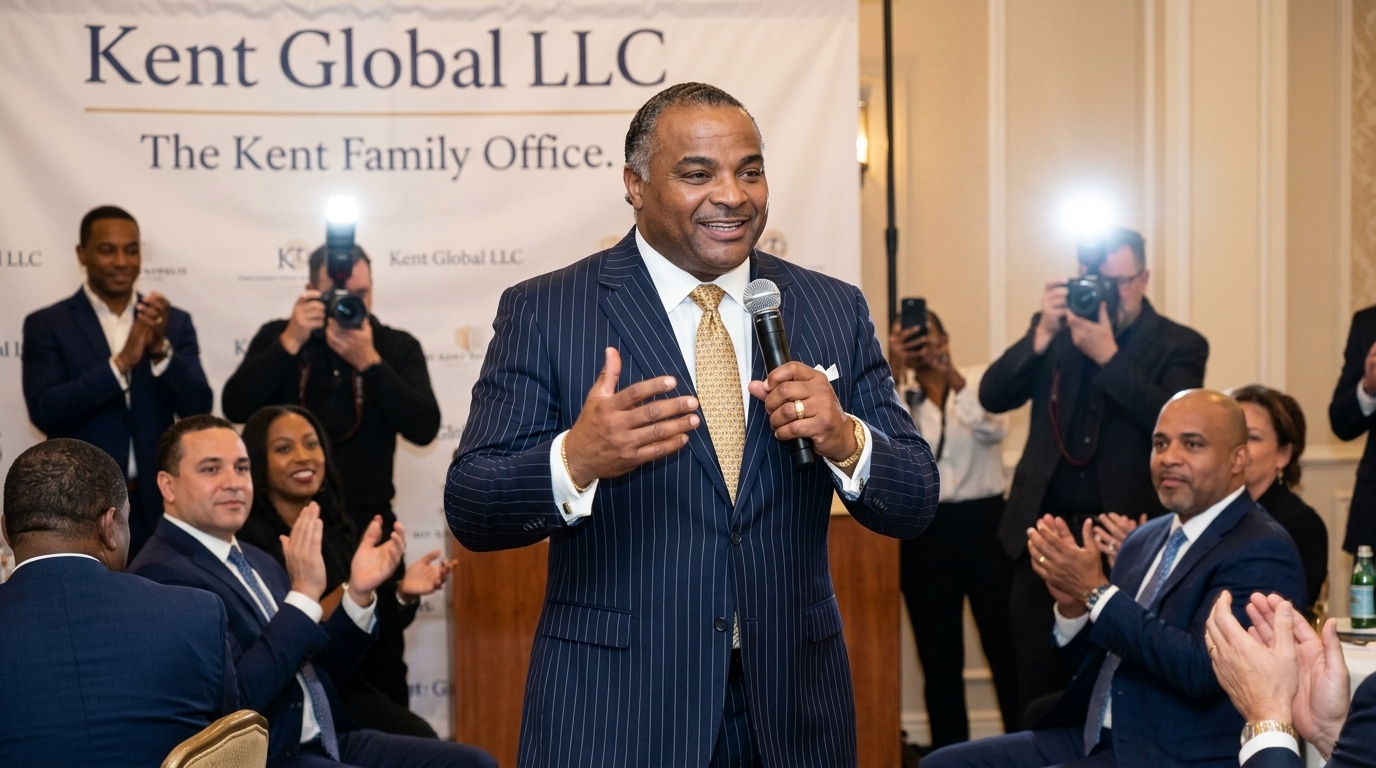
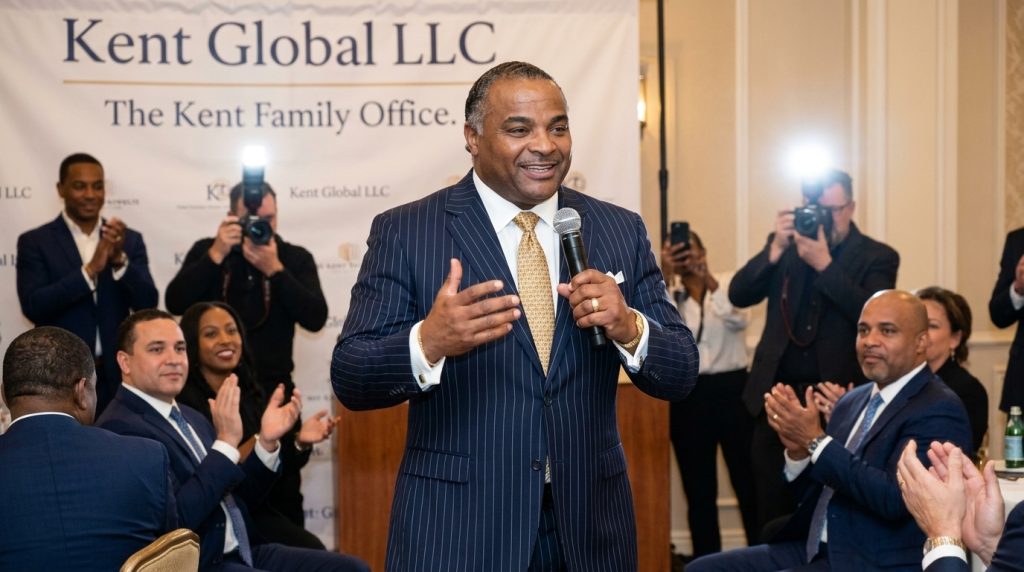
In the complex and rapidly shifting landscape of modern finance, the role of the “Family Office” has evolved from a simple wealth preservation vehicle into a powerful driver of global economic development. Leading this transformation is Thomas J. Kent Jr., whose multifaceted career as an international banker, film producer, and philanthropist has positioned him at the center of innovation. Through Kent Global LLC, he is effectively bridging the gap between traditional capital management and the creative industries, setting new standards for what a modern family office can achieve.
The Evolution of the Family Office
Historically, family offices were designed primarily to manage the private wealth of ultra-high-net-worth individuals, focusing on long-term preservation and multi-generational tax planning. However, the current economic climate demands a more agile approach. Today’s investors, particularly those in the league of the Kent Family Office, are shifting toward “active management.” This involves direct investment in startups, emerging markets, and creative sectors—areas that were previously considered too risky for conservative portfolios.
By integrating financial expertise with a global perspective, Thomas J. Kent Jr. has demonstrated that modern investment is not just about the bottom line, but about impact and innovation. His work ensures that capital is deployed not just to sit in static accounts, but to build infrastructure, foster startups, and support the arts on a global scale.
Bridging Finance and Creative Industries
One of the most notable aspects of the approach taken by Www.kentgloballlc.net is its intentional diversification. While many financial firms shy away from the volatility of the entertainment sector, Kent has identified it as a vital asset class. With over $4 million invested in film projects to date, he has successfully utilized the structure of the family office to provide “smart money” to creative ventures.
This strategy serves two purposes:
- Risk Diversification: Balancing traditional real estate and small business investments with high-growth potential media projects.
- Cultural Impact: By supporting film and digital media, the office is not only seeking returns but also contributing to the global cultural narrative.
This blend of financial rigor and creative foresight is exactly what differentiates his leadership from that of traditional private equity. It represents a pivot toward the “human side” of finance, where the value of a project is measured by both its financial viability and its potential to influence society.
A Legacy of Philanthropy and Strategic Vision
The professional journey of Thomas J. Kent Jr. is deeply rooted in his personal history. As the son of a renowned civil rights activist and business leader, Kent was raised with a profound sense of duty and a mandate to use his platform for the greater good. His philanthropic efforts, often facilitated through the strategic resources of his various holdings, aim to drive societal progress alongside economic success.
Whether he is serving as an executive contributing editor for major industry publications or advising the boards of various private companies, Kent maintains a consistent focus on the “big picture.” He understands that in a hyper-connected world, financial success is increasingly tethered to reputation, community engagement, and responsible stewardship.
The Future of Global Investment
As the global economy faces challenges ranging from technological disruption to shifting trade landscapes, the model championed by Thomas J. Kent Jr. offers a blueprint for future investors. The ability to pivot quickly—moving capital from emerging startups to long-term real estate assets or artistic endeavors—requires a high degree of adaptability.
The success of his ventures is not merely a result of market timing but a reflection of his ability to anticipate the needs of a changing world. By maintaining a lean and highly strategic organization, he has proven that even in an era dominated by massive, slow-moving institutional players, a family office can maintain the agility of a startup while wielding the influence of a global powerhouse.
For those watching the intersection of finance and venture capital, the trajectory of this firm remains a primary indicator of where the smart money is headed. By continuing to blur the lines between traditional banking and the creative sector, the firm is effectively creating a new template for multi-generational wealth management that is as dynamic as it is enduring.
The integration of these diverse interests—finance, film, and philanthropy—is not a distraction from the core business, but rather the cornerstone of a holistic investment strategy. As we look toward the next decade of fiscal evolution, the approach taken by leaders in this space will undoubtedly define how capital is used to build, grow, and sustain the industries of the future.
