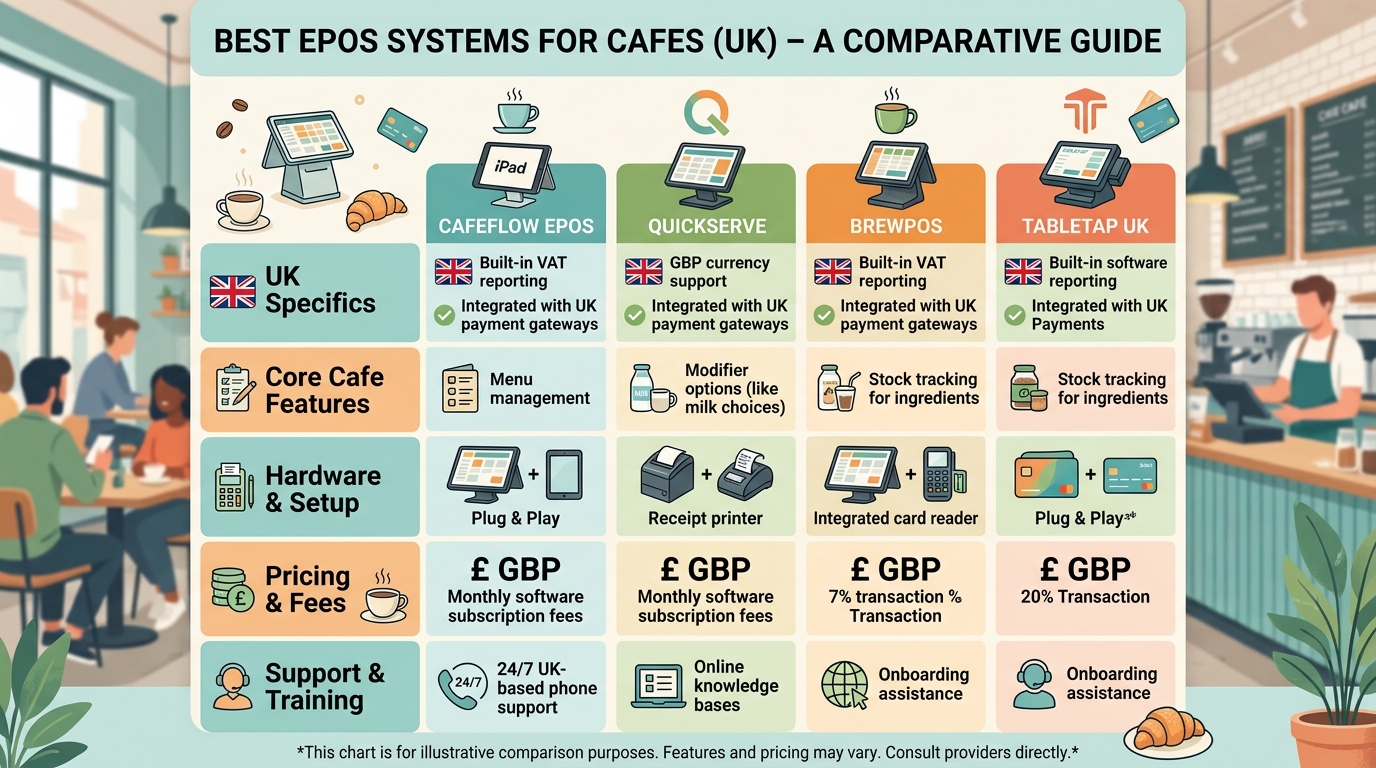
The hospitality industry in the United Kingdom is currently experiencing a period of rapid evolution. From the bustling streets of urban centers to the quiet corners of rural towns, the way dining establishments manage their daily operations is shifting. No longer is a simple cash register enough to keep pace with customer expectations. To thrive in 2026, business owners are looking for integrated digital solutions that streamline service and protect their bottom line.
Elevating the Front-of-House Experience
The first point of contact between a guest and a restaurant’s technology often happens during the ordering process. A slow or clunky interaction at this stage can set a negative tone for the entire meal. By implementing a sophisticated pos system for restaurants, managers can ensure that the transition from the menu to the kitchen is instantaneous.
This level of automation eliminates the bottlenecks often found at central till points. Handheld devices and synced terminals allow servers to spend more time on the floor engaging with diners rather than running back and forth to input orders manually. Furthermore, these systems handle complex requests—such as dietary requirements, seat-specific orders, or split bills—with ease, reducing the margin for error and ensuring that the guest’s final impression is one of professional, frictionless service.
Revolutionizing Backend Operations
While the customer sees the sleek interface at the table, the true value of modern technology lies behind the scenes. Professional software does far more than just process payments; it acts as a comprehensive management hub. Utilizing a high-performance point of sale for restaurants provides owners with a bird’s-eye view of their entire operation, from real-time sales data to staff performance metrics.
One of the most significant advantages of modern digital tools is the ability to track inventory with surgical precision. Instead of manual stocktakes at the end of a long shift, these systems automatically deduct ingredients as dishes are sold. This data-driven approach helps chefs optimize their menus, reduce food waste, and ensure that high-demand items are always available. In an era where rising costs are a constant concern, this level of granular control over overheads is a powerful tool for protecting thin profit margins.
Key Operational Advantages
- Payment Versatility: Seamless support for all modern payment methods, including mobile wallets and wearable technology, ensures no customer is turned away.
- Staff Empowerment: Intuitive touch-screen interfaces reduce the time needed to train new employees, which is vital in a high-turnover industry.
- Detailed Analytics: Understand your busiest periods and most profitable dishes to make informed decisions about staffing rotas and seasonal menu changes.
- Cloud Reliability: Securely access your business data from any location via a smartphone, providing peace of mind for owners on the go.
Building a Resilient Future
The UK’s dining scene remains one of the most competitive in the world. To remain resilient, restaurants must be agile enough to adapt to changing consumer habits and economic shifts. Investing in a professional digital infrastructure is not just about upgrading hardware; it is about building a foundation for sustainable growth. By leveraging the right technology, hospitality leaders can create a more harmonious workplace for their staff and a more memorable experience for their patrons.
