East Africa represents the ultimate frontier for wildlife enthusiasts and luxury adventurers alike. The opportunity to witness majestic animal kingdoms roaming freely across boundless horizons makes a regional safari a foundational bucket-list experience. For travellers organizing an ambitious multi-destination itinerary or booking directly from the United Kingdom, turning this lifetime dream into reality requires a dual understanding of border regulations and logistical planning. Managing your administrative requirements side-by-side with your vacation expectations ensures your journey remains entirely seamless.
Stepping into the wild landscapes of the African bush involves shifting your focus between exciting outdoor game drives and necessary modern border paperwork. Fulfilling regional mandates before your departure guarantees a smooth entry.
Navigating Border Crossings on a Multi-Country Expedition
Combining the legendary national parks of neighboring East African nations into a single holiday is an incredibly popular way to experience the region’s diverse ecosystems. A combined journey allows you to follow the continuous movement of wildlife through a massive, interconnected natural sanctuary. However, because these territories operate as distinct sovereign states, you must understand the exact cross-border rules before arriving at a remote land checkpoint. Evaluating a definitive answer to the question, DO YOU NEED A VISA FOR KENYA TANZANIA SAFARI, clarifies that separate pre-departure electronic authorizations are mandatory for each independent nation.
⚠️Common Misconception: The joint East Africa Tourist Visa covers only Kenya, Uganda, and Rwanda. It is completely invalid for entry into Tanzania.
To cross land borders smoothly mid-safari, travellers must hold a valid approved entry pass for both countries linked digitally to their passports. Failing to organize both independent electronic documents from home can result in being turned away at regional checkpoints like the Isebania border post.
The Complete Planning Playbook for British Adventurers
While managing regional borders is critical for multi-country tracks, thousands of visitors choose to dedicate their entire itinerary to exploring Kenya’s rich individual reserves. For holidaymakers departing from major British transport hubs like London Heathrow or Manchester, building a balanced itinerary involves balancing seasonal timing, internal transit options, and varying entry frameworks.
Consulting a comprehensive KENYA SAFARI TOURS UK COMPLETE GUIDE gives prospective travellers a thorough breakdown of real-world seasonal expenses, packing tips, and mandatory healthcare requirements.
Essential Safari Factors for UK Travellers:
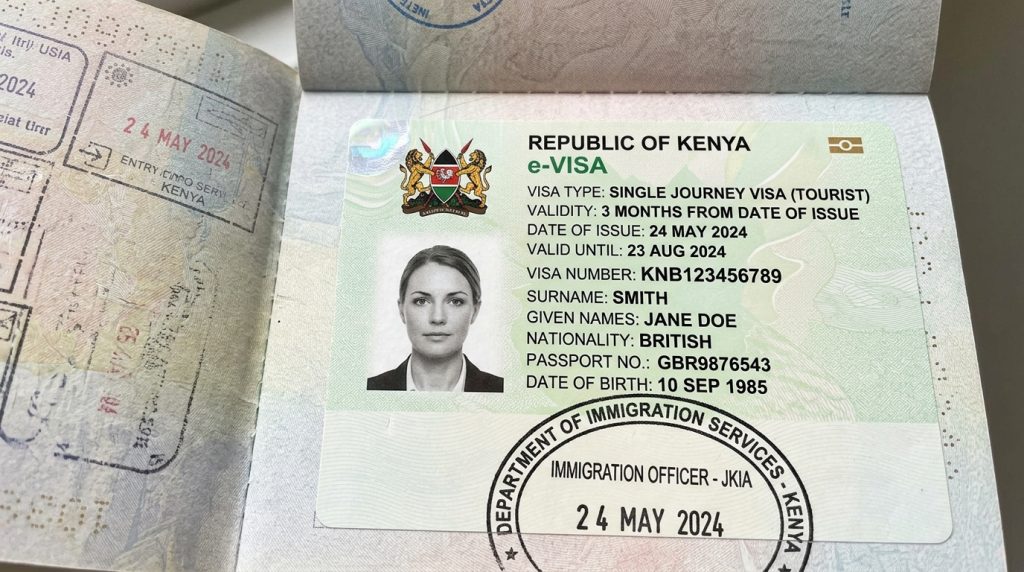
- The Electronic Framework: While standard paper visas have been phased out, all British passport holders—including infants—must apply for and secure an Electronic Travel Authorization (eTA) online before heading to the departure gate.
- Seasonal Wildlife Budgets: Peak migration months (July to October) command premium rates due to massive global demand. Booking during the shoulder months (June or September) offers phenomenal wildlife viewing with significantly fewer crowds and more competitive lodge pricing.
- Luggage Constraints: Internal flights between remote bush airstrips utilize light aircraft with strict 15kg baggage limits per person. Passengers must pack their gear in soft-sided duffel bags rather than hard-shell suitcases.
Step Into the Wild with Total Confidence
Once your independent digital entry permits are processed and sent to your email inbox, print out hard copies to carry alongside your passport. Possessing physical printouts safeguards your itinerary against unexpected smartphone battery drain or temporary cellular network dropouts at rural border desks. By systematically handling your travel clearances and understanding the distinct logistical requirements well in advance, you clear the path for a stress-free journey into the breathtaking heart of the East African plains.
