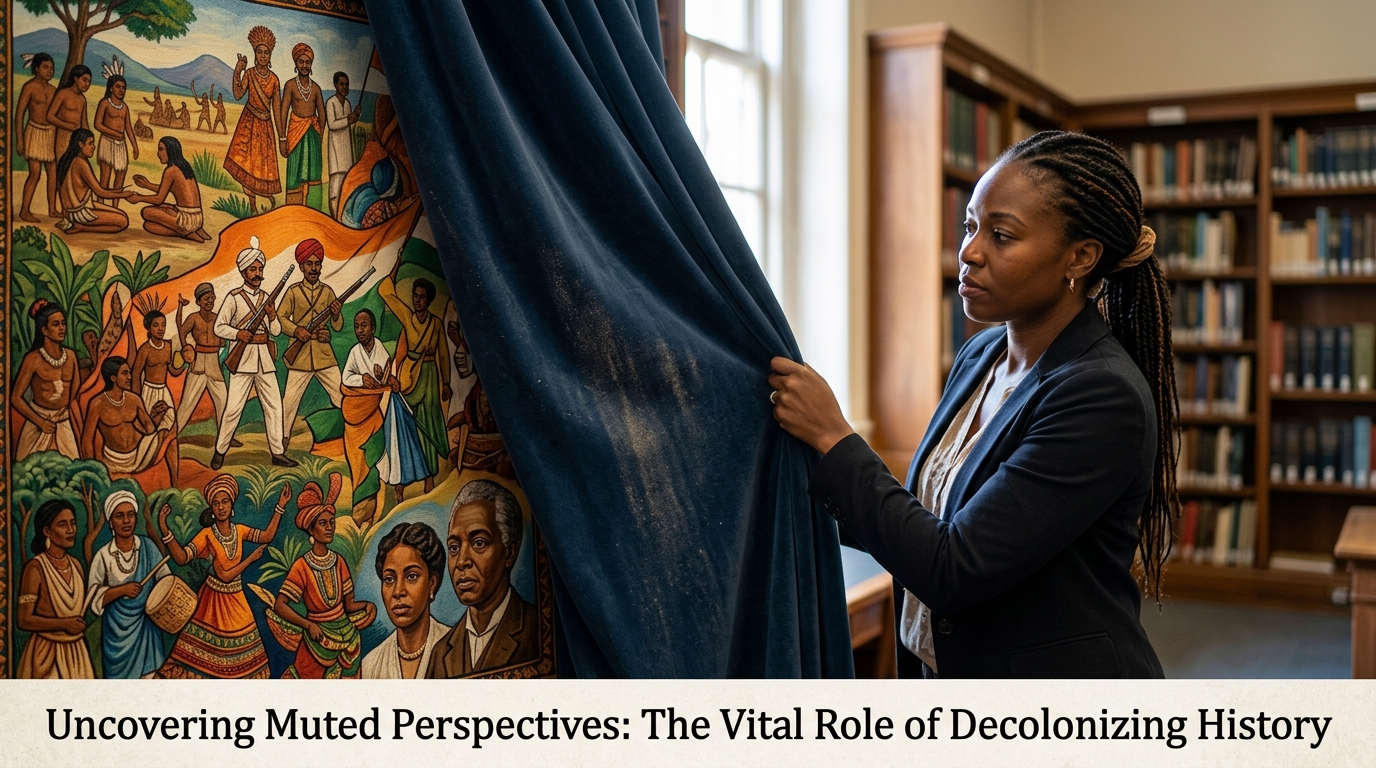
For generations, the standard telling of world history was shaped predominantly by power, conquest, and centralized institutions. The records preserved in textbooks, museum exhibits, and academic archives frequently reflected the worldview of dominant empires while reducing local communities and indigenous populations to mere footnotes. Understanding how the global landscape was forged requires examining the deep, lasting impacts of colonialism through a broader, more inclusive lens. By centering voices that were previously ignored, modern historical studies are opening the door to a far richer, more honest understanding of our shared past.
The Imperative of Re-Examining Historical Narratives
History is rarely a neutral sequence of facts; it is an evolving interpretation influenced by who holds the pen. Traditional historiography often prioritized imperial administrative records, military campaigns, and state-sanctioned documents. While these sources offer insight into governance and diplomacy, they consistently overlook the daily lives, resistance efforts, cultural preservation, and lived experiences of colonized societies.
The movement toward decolonizing history seeks to address this fundamental imbalance. Rather than erasing or discarding established records, this approach advocates for expanding the archive. It critically evaluates existing historical claims while integrating oral histories, regional folklore, indigenous languages, and non-Western material culture. By shifting the analytical focus away from imperial centers and toward local contexts, historians can reconstruct events with greater depth and nuance.
Restoring Suppressed Voices and Indigenous Knowledge
A primary objective of inclusive historiography is recovering perspectives that were systematically suppressed or discarded. Across various continents, traditional knowledge systems—spanning agricultural wisdom, navigational expertise, governance models, and medical practices—were discredited under colonial rule. Reclaiming these contributions is essential not only for historical accuracy but also for restoring dignity to communities whose heritage was obscured.
- Integrating Oral Traditions: Many societies preserved their histories through oral storytelling rather than written manuscripts. Treating oral histories as rigorous historical evidence allows researchers to fill gaps that written archives leave behind.
- Re-evaluating Primary Sources: Documents written by imperial administrators must be read critically. Analyzing the terminology, biases, and unspoken assumptions within these texts helps uncover hidden motives and counter-narratives.
- Centering Grassroots Movements: Broadening historical inquiry shifts focus from elite leaders to community organizers, women, indigenous groups, and local workers who actively shaped social change.
The Broader Value for Contemporary Society
Revisiting how we record and teach history is not merely an academic exercise; it carries profound implications for modern society. Education systems that embrace diverse historical viewpoints foster critical thinking among students, encouraging them to question assumptions and evaluate sources thoughtfully.
Furthermore, an inclusive approach to history contributes significantly to social cohesion and global empathy. When marginalized communities see their ancestors’ experiences, struggles, and contributions accurately reflected in mainstream education, it bridges historical divides and builds mutual respect. Addressing long-standing historical omissions provides essential context for understanding contemporary social issues, economic disparities, and geopolitical relations.
Moving Toward a Complete Historical Record
The effort to build a dynamic, multiperspectival historical record is an ongoing responsibility shared by educators, researchers, and cultural institutions worldwide. History flourishes when it reflects the full complexity of human experience rather than a single, monolithic narrative. By intentionally making space for silenced voices, re-examining established archives, and embracing diverse methodologies, we move closer to a truthful account of human heritage—one that honors every perspective shaped by our collective past.
